Blog
What to Do the Week After a Car Accident

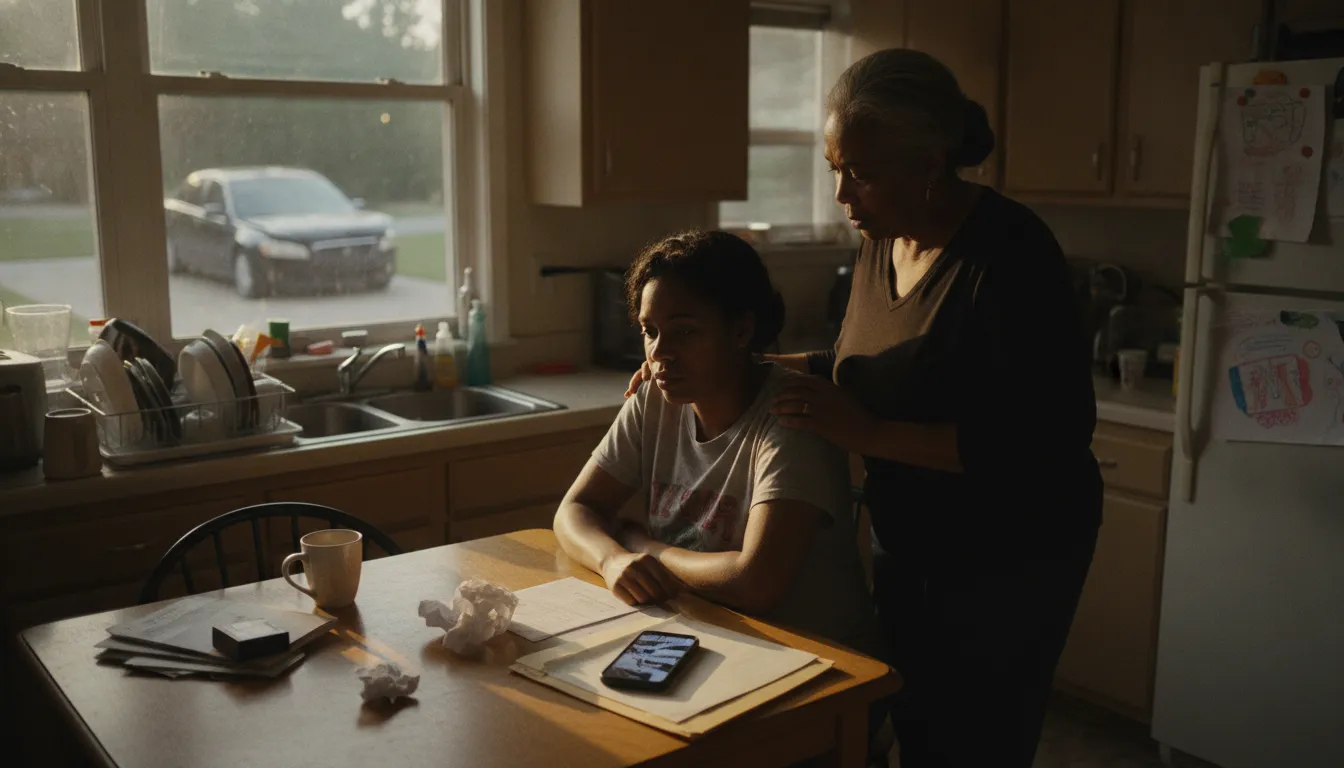
The crash is over. The car is in a lot, your neck is stiff, and the insurance company has already called twice. What to do the week after a car accident is a different job from what you did at the scene. This week is about the police report, a real doctor visit, a careful first call with the insurer, and keeping the paper that proves what the crash changed.
In Georgia, that week matters. A report that never gets filed, a checkup you put off, or a form you sign too fast can follow you for months. You do not need to have every answer by Friday. You do need a short list and a folder.
Think of the week in order, not as one long to-do list. The scene checklist is already behind you. If you still need that list, start with our essential steps after a car accident, then come back here for the days that follow.
If the crash happened in Marietta or Cobb County, the same week still applies. Our Marietta guide to the first hours covers the scene. This page picks up after you get home.
Georgia law tells a driver when a crash has to be reported. If anyone is hurt or killed, or if property damage looks like $500 or more, the driver must give notice right away by the quickest means. Inside a city, that notice goes to the local police. Outside a city, it goes to the county sheriff or the nearest state patrol. That duty is in O.C.G.A. 40-6-273, and the Georgia driver manual states the same $500 rule.
The Georgia Department of Driver Services says the same thing in that manual. Stop in a safe place. Notify law enforcement if someone is hurt or killed, or if damage exceeds $500. Give your name, address, plate number, and license number. Get the same details from the other driver.
If nobody came to the scene, do not assume you are finished. Call the agency that covers that road and ask how to add a late report. Write down the report number, the officer's name, and the date you called. A report filed days later is harder to use, and in some uninsured-driver cases a long delay has cost people coverage.
Then see a doctor, even if you feel mostly fine. Adrenaline can hide pain for the rest of the day. A stiff neck, a headache, or a sore back can show up the next morning. The visit does two jobs. It gets you care, and it ties that care to the date of the crash. Waiting a week and then saying "I think it was the wreck" is a harder story to tell.
Go to the ER, an urgent care, or your own doctor. If you do not know where to go in Marietta or Cobb County, that is a practical problem, not a legal one. Karega Law Firm helps people find local clinics that treat crash injuries, including AICA, Arrowhead, and Benchmark. That is help finding care, not a promise about a provider or a bill.
Your own insurer should hear from you this week. Most policies expect prompt notice of a crash. Keep the call plain and factual. Give the date, the place, the vehicles, and whether anyone went to a doctor. Say you are still being checked. Do not guess your speed, do not rank your pain on a scale, and do not say "I'm fine" to be polite.
The other driver's insurer is a different call. That adjuster works for the other driver, not for you. You can be polite and still say no to a recorded statement. Read your own paperwork first, or talk with someone on your side. "I want to finish my medical visit before I give a recorded statement" is a complete sentence.
Georgia is not a no-fault state. The Office of the Commissioner of Insurance says liability coverage pays others when you are at fault. The state minimum is $25,000 per person for bodily injury, $50,000 per crash, and $25,000 for property damage. Those floors are small next to a hospital bill. How the per-person and per-crash caps work is covered in our guide to Georgia car insurance liability limits.
Fault still matters on that first call. If an adjuster says you were partly to blame, do not agree on the phone. Ask what they are relying on, write it down, and keep your own photos. A short note on Georgia's fault-based insurance system explains why that label changes who pays.
One more trap: a check for the car that also closes your injury claim. Read the back of any check and any release before you deposit it. A property-damage payment should not wipe out a claim for medical care you have not finished.
You do not need a filing cabinet. A folder on your phone and a paper envelope on the counter are enough. Put the same items in both. The goal is to still have them when someone asks in a month.
| What to keep | Why it matters this week | Where it usually lives |
|---|---|---|
| Keep the police report number and the officer name. | This shows the crash was reported and who responded. | Ask the agency that took the call. |
| Keep photos of both cars, the road, and any bruises. | Damage and visible injuries can change within days. | Save them on your phone, then back them up. |
| Keep the names of witnesses and passengers. | People forget small details within a few days. | Write them in a note in the same folder. |
| Keep the discharge papers and the first bill. | These papers tie treatment to the crash date. | Download them from the clinic or hospital portal. |
| Keep a list of missed shifts and a pay stub. | Dates show lost wages without a rough guess. | Ask your employer or check your pay app. |
| Keep the repair estimate, not only a photo of the dent. | The estimate separates the car claim from the injury claim. | Ask the body shop for it in writing. |
| Keep every text and letter from either insurer. | You will not remember what each one asked. | Save email, texts, and the paper envelope. |
Take a second set of photos midweek. A bruise that was faint on Monday can be clear on Wednesday. A car that looked drivable can show frame damage once it is on a lift. Save the shop's written estimate, not only a verbal "we can fix that."
Write one page about your week in plain words. What hurt, what you could not do, who drove the kids, which shifts you missed. That page is for you. It is also the kind of detail that disappears if you wait until someone asks for a demand letter.
Three papers cause the most trouble in the first seven days. None of them need your signature before you understand them. If a form arrives by email or at the body shop, save it and read it twice before you touch a pen.
A recorded-statement form is the first. You can give basic facts without agreeing to a recorded interview. If you do give one later, stick to what you saw. Leave medical opinions to the doctor.
A broad medical authorization is the second. Some forms let an insurer pull years of records that have nothing to do with this crash. Ask for a form limited to this wreck and these injuries, or have someone read it with you first.
A full release is the third paper. A release ends the claim it describes. If it says "any and all claims" and you still have a follow-up visit, do not sign it this week. The same goes for a check that says "full and final" on the stub.
There is also a clock in the background. O.C.G.A. 9-3-33 says an action for injuries to the person must be brought within two years after the right of action accrues. Property damage can run on a different clock. Two years sounds long on a Tuesday. It is not a reason to sign something on Thursday that you have not read.
The list above is the legal week. The human week is louder than the list. You are borrowing a car, answering texts from family, and trying to sleep when your shoulder will not let you. That mix of errands and pain is normal. It is also when small choices stick.
Tell your employer in writing which shifts you missed and which ones you tried to work through. A text to a supervisor is enough if that is how you usually talk. Keep a copy of that message. Lost wages are easier to show with dates than with a memory of "about a week."
Follow the care you already started. If the clinic said to come back in three days, go back. Skipping that visit because you felt a little better leaves a gap that an adjuster will notice. If a new symptom shows up, such as a headache, dizziness, or pain down one arm, call the clinic the same day and say when the crash was.
Be careful with what you post on social media. A photo of you at a cookout does not prove you are unhurt, but it is easy to take out of context. You do not have to disappear. You do have to skip the post that says you are fine when you are not.
If you prefer Spanish, say so on the first call. At Karega Law Firm, Cheryl Barnard works in English, Spanish, and German, and the team can take the story in the language you are most comfortable using. You should not have to translate your own pain into a second language just to get help.
Passengers have the same week, with one extra awkward part. You may have been riding with a friend or a family member. You can still get care and still ask questions. A passenger claim is often an insurance claim, not a fight with the person who was driving. Our page on passenger car accident claims walks through that without turning this week into a second guide.
If the other driver had no insurance, do not wait the week out hoping a policy appears. Ask your own insurer about uninsured motorist coverage and write down what they say. The filing steps live on our page about an uninsured motorist claim. This page stays on the first seven days.
Plenty of people handle a scraped bumper on their own. Call for car accident legal guidance when the week starts to run your life. That usually means medical bills, missed work, an adjuster who wants a recorded statement, or someone blaming you for a crash you did not cause.
Karega Law Firm LLC is a three-generation family firm on Marietta's square, at 166 Anderson Street SE, Suite 100. When you call, you are likely to reach Ebria Karega, Mia Karega, or Cheryl Barnard, not a call center and not a case number. Cheryl works with clients in English, Spanish, and German. The firm helps with the insurance calls, the timeline, and finding local doctors and repair shops. It does not promise a result, and a judge in the family does not hear your case.
Che Karega is the senior partner. He is also Chief Judge of Mableton and a Magistrate Judge for Cobb County. Ebria, who leads the day-to-day injury work, is a U.S. Coast Guard Judge Advocate. Those roles are part of why the family knows Georgia courtrooms. They are not a claim that your case will be treated differently because of them.
The first consultation is free. The work is on a contingency basis, with no upfront fees, and you only pay if they win. If you are still deciding whether you need a lawyer at all, our note on how to choose a car accident lawyer is the place for those questions. The car and truck accident page is where the firm describes the work itself.
If this week already feels like too many calls, Reach Out Today. The first conversation is a free consultation, and you can tell the story in English or Spanish.
There is no fixed number. Rest as long as your doctor tells you to, and go back if pain shows up after you felt fine. A clinic note from this week is more useful than a guess about "enough" rest.
Yes, you should still open the claim. Tell your own insurer about the crash this week, even if the other driver caused it. You can still pursue the other driver's policy. Filing notice is not the same thing as accepting a small check.
It depends on your treatment, the records, and the coverage. A claim for a sore neck that resolves in two visits is not the same as a claim that needs months of care. Do not sign a release just to make the calls stop.
It is a teaching idea, not a Georgia statute. The first collision is car against car. The second is your body against the inside of the car. The third is your organs against the inside of your body. That is why you can feel worse on day two than you did at the scene.
You do not have to solve the crash in seven days. You do have to report it, see a doctor, keep the photos, and refuse papers you do not understand. If the bills and the calls are already stacking up, call Karega Law Firm at 770-485-3757 and talk with the family that will actually handle your case.
What to do the week after a car accident in Georgia: the report, the doctor visit, the insurance call, and what not to sign.

An uninsured motorist accident lawyer can help when the other driver has no coverage. See when to call Karega Law Firm in Marietta.

Learn what a Georgia workers’ compensation independent medical exam may involve, how to prepare honestly, and how to handle the report afterward.