Blog
Georgia Car Accident Liability Insurance Limits Explained

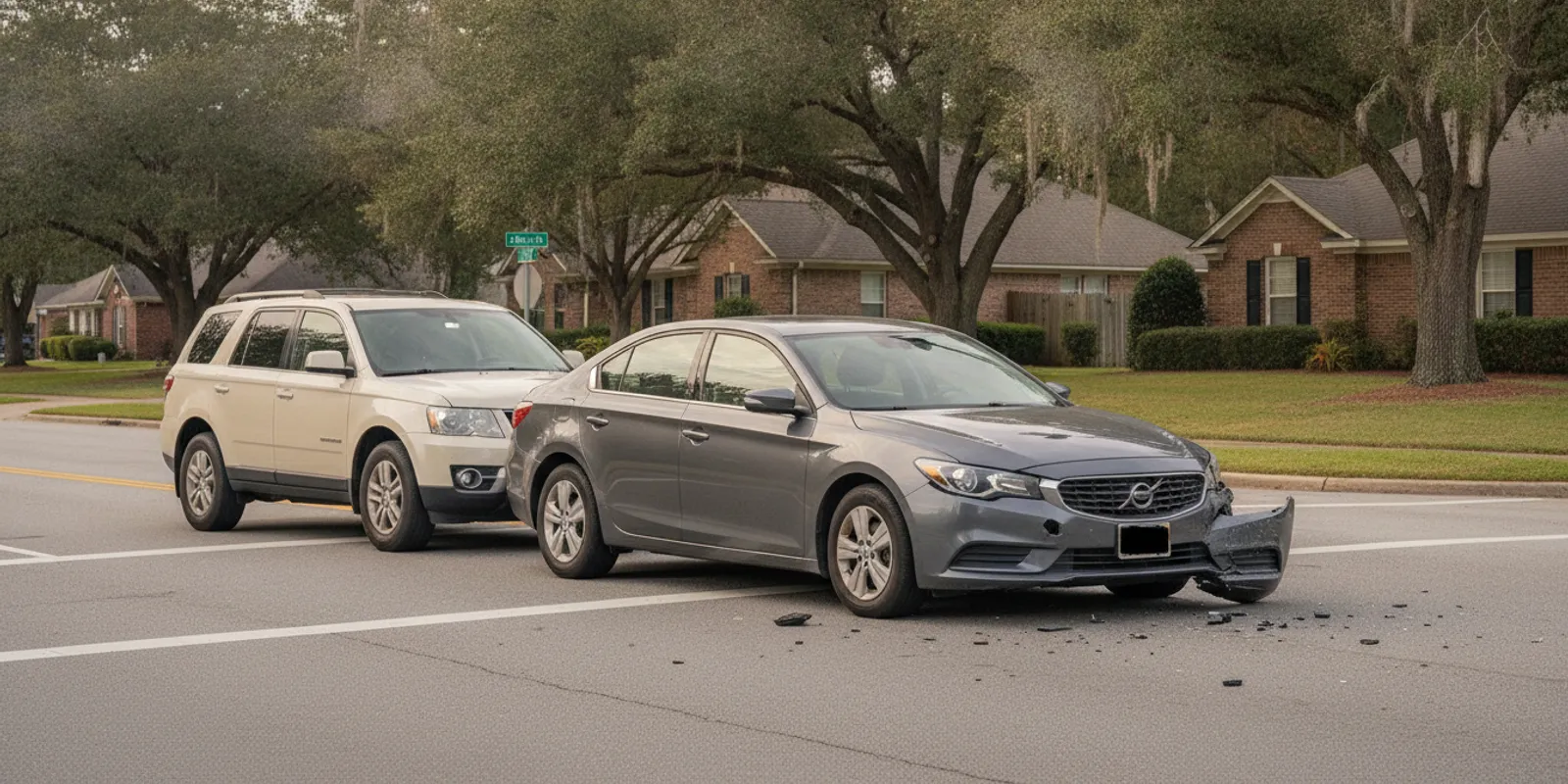
After a collision, you may be looking at a damaged car, medical appointments, missed work, and calls from an insurance adjuster. Understanding car accident liability insurance limits Georgia drivers must carry can help you ask better questions about possible coverage. Limits are caps in a policy, not a promise that an insurer will pay a particular amount or that a claim is worth that amount.
Liability insurance is intended to cover certain losses when an insured driver is legally responsible for causing harm to someone else. In a car accident, that commonly means bodily injury to other people and damage to their property. It is different from coverage that may pay for the insured driver’s own vehicle damage or injuries. Those protections can depend on other policy types and the policy’s terms.
Georgia requires drivers to maintain minimum liability coverage for bodily injury and property damage. The Georgia Office of the Commissioner of Insurance and Safety Fire describes bodily injury minimums as $25,000 per person and $50,000 per incident, along with property-damage liability. See the state agency’s auto insurance information for current coverage requirements. A state minimum is a legal floor, not a measure of what an injured person’s losses will be.
When people talk about “limits,” they may mean several separate caps. One cap can apply to injuries to any one person. Another may apply to injuries to everyone hurt in one accident. A third may apply to damage to property. The exact wording and limits should be confirmed from the actual policy or reliable coverage information.
A liability policy’s bodily injury limits are often written in a format such as 25/50. In a policy with those limits, the first number generally refers to the maximum for bodily injury to one person, and the second to the maximum for bodily injuries to all people in one accident. The numbers are shorthand, not a promise of payment. Policy language, applicable law, responsibility for the crash, and the facts of the claim all matter.
For example, suppose one person is injured in a crash involving a policy with a $25,000 per-person bodily injury limit. Even if that person’s documented losses are higher, the liability insurer may assert that the policy cap limits what is available under that coverage. If two or more people are hurt, the per-accident cap can also matter. The insurer does not simply multiply the per-person amount by the number of injured people if doing so exceeds the accident-wide maximum.
How an accident-wide limit is allocated among multiple claims can depend on the circumstances, policy terms, and applicable law. Injured people may have separate claims, and their losses may differ. Do not assume that one claimant will receive the full accident-wide limit, or that the limit will be divided in a particular way. Ask what coverage has been confirmed and how the insurer is handling any multiple-claim situation.
Property-damage liability generally addresses damage the insured driver causes to someone else’s property. After a collision, that may include another person’s vehicle or other damaged property. It does not necessarily pay to repair the policyholder’s own car. Whether your own vehicle is covered can depend on collision coverage, the other driver’s responsibility, and the applicable insurance policies.
A limit can become important if repair or replacement costs are substantial, or if several vehicles or items of property were damaged. The claim may involve questions about repair estimates, vehicle value, towing, storage, and who owns the damaged property. Keep invoices and written estimates, and ask the insurer to explain what property and expenses it has included in its evaluation.
Insurance limits help identify a possible source and ceiling of coverage. They do not determine whether a driver was at fault, prove the full extent of an injury, or set the total value of a claim. A careful evaluation considers available evidence and specific losses, as well as what coverage may apply.
A policy’s face value does not automatically tell you what a person can recover. Nor does a limit mean an insurer will pay the entire amount. The insurer may investigate liability, evaluate supporting records, and apply policy terms. A settlement decision should account for known losses and the risks of resolving a claim, not just the number printed on a policy summary.
In the first hours and days, focus on safety, health, and preserving useful information. These steps are general organizational guidance, not a substitute for advice about your circumstances.
For a fuller checklist, read the firm’s guide on what to do after a car accident in Marietta. If your collision happened in Cobb County, local details may be useful, but the same basic priority remains: safety, appropriate medical care, and organized records.
Insurance information can be incomplete early in a claim. You can ask the adjuster which policy is being considered, what coverage type applies, and whether the bodily injury and property-damage limits have been confirmed. Keep a record of who provided the information, when they provided it, and whether it was in writing.
Useful, neutral questions include:
Do not treat an adjuster’s informal comment as a complete policy analysis. Ask for clarification in writing where practical. A policy declarations page, coverage letter, or other document may help explain the limits, but some information may be subject to legal and procedural rules. If an insurer will not provide a clear answer, a lawyer can help assess what steps may be appropriate.
When reported losses appear greater than a liability limit, it is reasonable to ask what other coverage, if any, may apply. That inquiry is fact-specific. Potential sources can depend on who owned or drove the vehicle, how the vehicle was used, the people involved, policy wording, and other circumstances. Uninsured or underinsured motorist coverage may be relevant in some cases, but it is not available in every situation and its terms matter.
Do not conclude from a quick conversation that there is no other coverage, or that additional coverage is guaranteed. Keep copies of your own insurance policy and correspondence. If you have questions about your policy, contact your insurer and ask for an explanation of relevant provisions. A lawyer can review the facts and discuss whether further investigation makes sense.
Limits are only one part of evaluating a claim. Evidence about how the collision happened, the nature and duration of injuries, medical documentation, lost income, and other supported losses can matter. A coverage cap does not erase the need to understand those facts, and documented losses do not alone establish that a particular insurer must pay a particular amount.
People often feel pressure to resolve an insurance claim while bills are arriving and paychecks are interrupted. Start by keeping records together rather than trying to make a final calculation from memory. A folder or secure digital file can hold medical bills, explanation-of-benefits statements, appointment records, work schedules, wage information, and receipts related to the crash.
For medical expenses, distinguish bills received from amounts paid by an insurer or health plan. A bill’s face amount may not be the final balance owed. Keep provider statements and payment records, and ask the provider or insurer about discrepancies. For missed work, save pay stubs, attendance records, or an employer note showing dates missed and pay details. Do not assume every missed hour will automatically be reimbursed; the claim and supporting proof must be evaluated.
Some injuries take time to assess. An early estimate may not capture later treatment or the effect of an injury on daily activities. At the same time, no two claims are alike, and a longer treatment history does not guarantee a particular result. Before deciding whether to resolve a claim, make sure you understand what claims and losses a proposed release would cover and whether it would end the matter.
It is normal for an insurer to ask questions while investigating a crash. Be truthful and avoid speculation. You can ask for the purpose of a request and take time to read a document before signing it. If you do not understand a question or form, ask for an explanation rather than agreeing simply to move the call along.
These are practical precautions, not a reason to ignore legitimate communications. If you are being asked to make a recorded statement, provide extensive records, or accept a settlement, consider speaking with a lawyer about the request and its possible effects.
A legal minimum describes the coverage drivers are required to carry; it does not guarantee that every driver has complied, that every policy is active, or that a given crash is covered. It also does not say what an injured person’s losses will be. A collision can involve several people, multiple damaged vehicles, and expenses that are not apparent on the day it happens.
It helps to separate three questions: what happened, what losses can be supported, and what insurance may apply. Records and a thoughtful investigation can help answer those questions. Limits are relevant, but they are not a shortcut to a conclusion about fault, the value of an injury, or the amount any person will receive.
For the state’s stated minimums, consult the Georgia insurance regulator’s auto insurance resource. The regulations also address minimum coverage requirements; the relevant Georgia rule is available through the Secretary of State’s motor vehicle accident rules. Check authoritative sources for current language rather than relying on a summary alone.
Examples can make policy shorthand easier to understand, but they are illustrations only. They do not predict how an insurer, court, or decision-maker will handle a real claim. Imagine a policy with bodily injury limits written as $25,000 per person and $50,000 per accident, plus a separate property-damage limit. The actual policy controls.
Assume one person is hurt and the insurer confirms a $25,000 per-person cap. The person’s documented medical expenses, lost income, and other claimed losses may total more than that amount. This does not automatically mean the insurer owes the cap, because responsibility, coverage, evidence, and policy terms still matter. It does mean the person should distinguish the claimed losses from the available limit while evaluating any proposed resolution.
For practical organization, make two separate summaries. The first lists the losses and supporting records: provider bills, payment statements, wage records, and notes about daily effects. The second lists the coverage information: insurer, policyholder, claim number, confirmed limits, and any other reported claims. Keeping these questions separate makes it easier to see what is known and what remains uncertain.
Now imagine two passengers and a driver each report injuries from the same crash. A per-person cap may apply to each individual, while an accident-wide cap may restrict the total bodily injury coverage for all claims combined. Adding individual caps together could produce a number higher than the accident-wide limit. The insurer therefore needs to address both limits and the number of claims when describing possible coverage.
Each person’s injury, treatment, and documentation can be different. One person may have sought care immediately; another may not have recognized symptoms until later. One may have missed work, while another did not. Avoid comparing claims as if the same facts apply to everyone. Each claimant should keep their own records and ask how the insurer is accounting for multiple claimants, without assuming a particular allocation.
A crash involving more than one vehicle can raise a separate property question. Suppose repair estimates for multiple vehicles and damaged roadside property together appear higher than the applicable property-damage limit. The estimates do not themselves establish the insurer’s obligation, but they can signal that the total property loss and the policy cap should be considered separately.
Record who owns each damaged item, where it was damaged, and what estimate or invoice supports the repair amount. Keep towing, storage, and rental records if relevant, and ask the insurer which items it has included. Do not assume that a property limit applies in a particular way to every expense; policy wording and the facts matter.
A limit describes a maximum under specified coverage, while a settlement offer is a proposal to resolve some or all claims. They are related but not interchangeable. An offer may involve a release, conditions, several claimants, or questions about other insurance. Before accepting, identify what claims and parties the release covers, whether the amount resolves property damage, bodily injury, or both, and whether any outstanding expenses or claims remain.
Make a written list of questions before discussing a final offer. Ask for the offer terms and release in writing, read every page, and take time to understand the scope. If the proposal is unclear, ask for clarification. A lawyer can help review the document and explain its possible consequences, but no one can promise a particular result from seeking advice.
A well-organized file helps you answer practical questions without relying on memory. It does not need special software. A paper folder, secure digital folder, or simple spreadsheet can work if you keep it current and protect sensitive information. Use a consistent naming approach for files, such as date, source, and subject, so you can find a document later.
Keep the date, approximate time, location, direction of travel, weather or road conditions you observed, and the names or contact details of people involved. Preserve photographs and any documents you received at the scene. If you later remember something important, add it to a dated note and distinguish a later recollection from a note written immediately after the crash. Do not edit original photos or records; keep a copy if you need to annotate something for your own organization.
Record appointment dates, provider names, instructions, and bills received. Keep receipts and payment records together, but do not treat a bill as proof that every amount will be paid by an insurer. If a statement seems inconsistent, contact the provider or health plan for an explanation and save the response. A simple log can include the date, document, amount shown, amount paid, remaining balance stated, and follow-up needed.
For example, if a hospital statement arrives after an insurance explanation, place both documents in the same folder and note whether the listed balance differs. Do not erase or replace an earlier statement when a corrected one arrives. Retaining the sequence can help explain what changed and when.
If you missed work, note the dates and hours, whether the absence was paid or unpaid, and what records may verify it. Save pay statements, schedules, attendance records, and any employer correspondence that addresses missed time. If your work is hourly, variable, seasonal, or self-employed, the records may look different; keep the materials that accurately reflect your situation rather than estimating from memory.
Do not ask an employer to make a statement that goes beyond what they know. A factual record of dates and pay information is more useful than a conclusion about what an insurer should pay. If your duties changed after the crash, note the change and the dates, but avoid treating a personal note as a substitute for medical or employment records.
Save letters, emails, claim numbers, adjuster contact information, and notes from calls. After a call, write down the date, who participated, the questions asked, and what was said. Mark statements as confirmed, tentative, or unclear. This small distinction helps prevent a preliminary estimate or informal comment from becoming mistaken for a confirmed coverage decision.
Use a log with columns for date, contact, topic, document requested, due date if stated, and next step. If a request is unclear, ask for an explanation in writing. Keep a copy of what you send and note how and when it was delivered. Avoid sending original records unless you have a clear reason and retain a complete copy.
Vehicle damage can be stressful because transportation affects work, school, caregiving, and appointments. Keep the insurer’s inspection information, repair estimates, invoices, towing bills, storage statements, and communications about the vehicle’s condition. If the car is not safe to drive, do not rely on a photograph to decide that it is safe; ask an appropriate professional to inspect it.
When an estimate and final invoice differ, keep both and ask what changed. Parts, labor, or additional damage found during repair can affect the final amount. Make a dated note of the vehicle’s location and who has possession of it. If you are asked to move, repair, or dispose of the vehicle, understand the request and document its condition first when safe and practical.
If a vehicle is treated as a total loss, ask how the insurer reached its valuation and what records it considered. Keep maintenance or ownership records that may be relevant, along with the valuation and the communications about it. Do not assume that an estimate, valuation, or payment proposal resolves every issue. Confirm whether the proposal concerns only the vehicle or also purports to resolve bodily injury claims.
Personal belongings inside the vehicle can create another recordkeeping question. If items were damaged, make a list with a brief description and photographs where available. Keep purchase or repair records if you have them. Do not discard an item before documenting its condition if you can safely preserve it, and ask the insurer how it wants the information submitted.
Claims can involve repeated calls and paperwork. A simple chronology can prevent confusion. Start with the crash date and add each meaningful event: medical visit, repair inspection, document submission, coverage update, offer, or request. Put the source beside each entry, such as “email from adjuster” or “my note after phone call.” This makes clear what is a written record and what is your recollection.
Set reminders for deadlines the insurer gives you, but do not assume an insurer’s requested date is the only deadline that matters. Legal deadlines may be different and may depend on facts. If a deadline is uncertain, ask a lawyer promptly rather than waiting until the end of a claim discussion. The firm’s article about how long you may have to file a personal injury claim in Georgia offers a starting point, but an article cannot determine the deadline for your case.
When a new letter arrives, read it once for the general point, then review it again for requested action, dates, and documents. Save the envelope if the mailing date may matter. If a letter uses unfamiliar terms, mark them and ask for a plain-language explanation. Avoid assuming that silence means a request has been withdrawn or that a phone conversation changed a written deadline.
The at-fault driver’s liability policy is one possible source, but it is not the only coverage question that may arise. A person’s own auto policy, a policy covering the vehicle owner, or another potentially applicable policy may warrant review depending on the facts. This is a list of questions to investigate, not a statement that any particular policy applies to your collision.
Uninsured or underinsured motorist coverage, if present and applicable, may have its own definitions, conditions, limits, and claim procedures. Ask your insurer what your policy says and request the relevant language. Keep notes about whom you spoke with and what was explained. If the answer is unclear, obtain the policy documents and consider asking for legal guidance before assuming that coverage is available or unavailable.
Other insurance questions can turn on vehicle ownership, permission to drive, the person’s role in the crash, and how the vehicle was being used. Do not try to resolve those issues from a single label or an informal comment. Write down the facts you know, mark what you do not know, and preserve records that may help clarify them. A thorough review may identify no additional coverage, or it may identify another source to examine; neither outcome should be presumed in advance.
Also distinguish liability coverage from first-party coverage. Collision coverage, for example, may be relevant to damage to the policyholder’s vehicle under its terms, while medical-related coverage may be governed by different provisions. The names and availability of coverages can vary by policy. Read the actual contract and ask the insurer to explain how each coverage could apply, rather than relying only on a broad summary.
An insurer may examine how the crash occurred, who was involved, what injuries are reported, and what documents support the claimed losses. The information requested may vary by case. You can help keep the process clear by answering truthfully, asking what a request is for, and retaining copies of information you provide.
Evidence about the collision may include photographs, vehicle damage, witness details, scene information, and reports or records available to the parties. Preserve what you have without altering it. If you discover additional information later, note when and how you obtained it. Do not contact witnesses in a way that pressures them or asks them to change their account; record their contact information and let appropriate professionals decide what follow-up is needed.
Medical records and bills may help explain what care occurred and when, but records should be accurate and complete. Tell providers about symptoms and changes in function in your own words. If you do not remember a date or detail, say so. Avoid exaggeration and minimization alike. Consistent, accurate information is more useful than trying to frame every conversation around a desired claim outcome.
For wage questions, an insurer may ask for records that support time missed or changes in earnings. Read the request and ask whether it seeks a particular period or document. If a requested record contains private information unrelated to the crash, ask what is needed and whether a narrower record will answer the question. Be careful with broad authorizations, and understand their scope before signing.
More than one insurer may communicate with you after a crash. One may insure a driver, another may insure a vehicle owner, and your own insurer may be involved under a separate coverage. Their roles are not necessarily identical. Keep a separate contact sheet for each company and note which policy or claim each person is discussing.
When you receive a request, identify the company, adjuster, claim number, and coverage involved before responding. If the caller does not explain their role, ask. Keep copies of each insurer’s letters in distinct folders, and do not assume that a statement made to one company has been shared with another. If you provide the same documents to more than one insurer, keep a record of where and when you sent them.
Coverage positions can develop over time as insurers review facts and policy language. A preliminary statement may not be the final answer. Ask what is confirmed, what remains under investigation, and whether the insurer expects to provide an update. If different companies give conflicting explanations, preserve those communications and seek clarification instead of choosing the answer that sounds most favorable.
Coordination can become more complicated when a vehicle owner, driver, employer, or passenger is involved. Do not assume that a policy follows a person or a vehicle in every circumstance. The actual wording, ownership, permission, and use can matter. A lawyer can help identify what information may be needed to evaluate a coverage dispute or uncertainty.
When calls, bills, and estimates arrive at once, it helps to create a one-page status sheet. Divide it into three columns: confirmed, reported but not verified, and questions to ask. This avoids treating a preliminary conversation as established fact and makes it easier to identify the next useful request.
Update the sheet whenever you receive a new document. Include its date and source. If an answer changes, preserve both the earlier and later information and note what prompted the update. This is not an accounting of the claim’s value; it is a way to keep your understanding accurate while facts are still being collected.
For instance, if an adjuster says “the policy is a minimum policy,” ask what exact limits have been verified and request written confirmation if available. That phrase alone may not clarify whether the person means bodily injury, property damage, or both. If a separate letter later provides the limit, file it as the stronger written source while keeping the call note for context.
A settlement can bring certainty and close some or all disputes, but it can also involve giving up rights covered by a release. Before signing, read the entire document, identify every person or company it names, and check which claims it says are resolved. Do not rely solely on a short description in a phone call or payment letter.
Check whether the proposed agreement addresses bodily injury, property damage, or both. Consider whether the document addresses unknown or future claims, medical balances, liens or payment interests, and other parties. The details depend on the document and law; do not assume a general rule based on a title such as “release” or “settlement agreement.” Ask for time to review and request an explanation of unfamiliar provisions.
Compare the proposal with what is known about the losses and coverage. This does not mean that the total of bills is automatically the claim’s value, or that a policy limit is automatically payable. It means that a decision should be informed by records, uncertainty, the scope of the release, and any other claims or coverage questions that may be relevant.
If several injured people are involved, ask whether the offer is intended to resolve only your claim or whether it depends on a broader resolution. If more than one policy may be involved, ask which policy the offer concerns. If the answer is unclear, pause long enough to understand the terms before accepting a check or signing paperwork that could close a claim.
You may want legal guidance if fault is disputed, you have significant or ongoing injuries, several people were hurt, the insurer says the limits are low, coverage is unclear, or you are asked to sign a release. A lawyer can review available information, explain options, and help you understand questions to ask. Seeking advice does not guarantee a claim will succeed or that insurance will pay a particular amount.
Karega Law Firm LLC is a three-generation family personal injury firm in Marietta serving injured people and families in Marietta, Mableton, Cobb County, the Atlanta metro area, and across Georgia. Clients work with the family attorneys, not a call center or a case number. The firm offers free consultations and works on a contingency basis, with no upfront fees; you pay only if the firm wins. The team can work with clients in English and Spanish.
Learn more about the firm’s car accident practice, its personal injury FAQs, and
A little preparation can help you use a consultation to address the concerns that matter most. You do not need every record before asking for guidance. Bring what you have, and make a list of what remains unclear.
Write down the names of insurance companies and adjusters, claim numbers, and important dates. If you do not know an answer, say so. An initial discussion is an opportunity to explain what happened and learn what information may help evaluate next steps.
The Georgia insurance regulator lists bodily injury liability minimums of $25,000 per person and $50,000 per incident, along with a property-damage liability requirement. Confirm current requirements with the state agency and review the actual policy for its terms.
No. A limit is a cap on coverage, not a guaranteed payment. Liability, policy terms, evidence, losses, and other claims can affect whether payment is made and what amount may be available.
A per-accident limit may apply to bodily injury claims collectively. How the insurer handles multiple claims depends on the policy, facts, and applicable law. Ask whether other claims exist and how the insurer is addressing the shared limit.
Possibly, depending on the people, vehicles, policies, and facts involved. Your own policy may contain coverage worth reviewing, but additional coverage should never be assumed. A lawyer can help identify questions to investigate.
Not without understanding what the offer resolves, what evidence supports the losses, whether other claims or coverage issues exist, and what release you would sign. Consider getting advice before accepting a final settlement.
Insurance limits can shape the questions to ask after a Georgia crash, but they do not tell the whole story of responsibility, injuries, or available coverage. Keep your records, seek appropriate care, and get guidance when you need help understanding your options.

Learn how to file a workplace injury claim in Georgia, what steps to take after an accident, and which documents you need for a successful claim.

Find out how a workplace injury lawyer for third-party claims can help you identify who’s liable and what compensation you may be able to recover.

Car accident claim for a minor Georgia: what parents should document, when a settlement needs court review, and when to call.