Blog
Wrongful Death Mediation in Georgia: How It Works

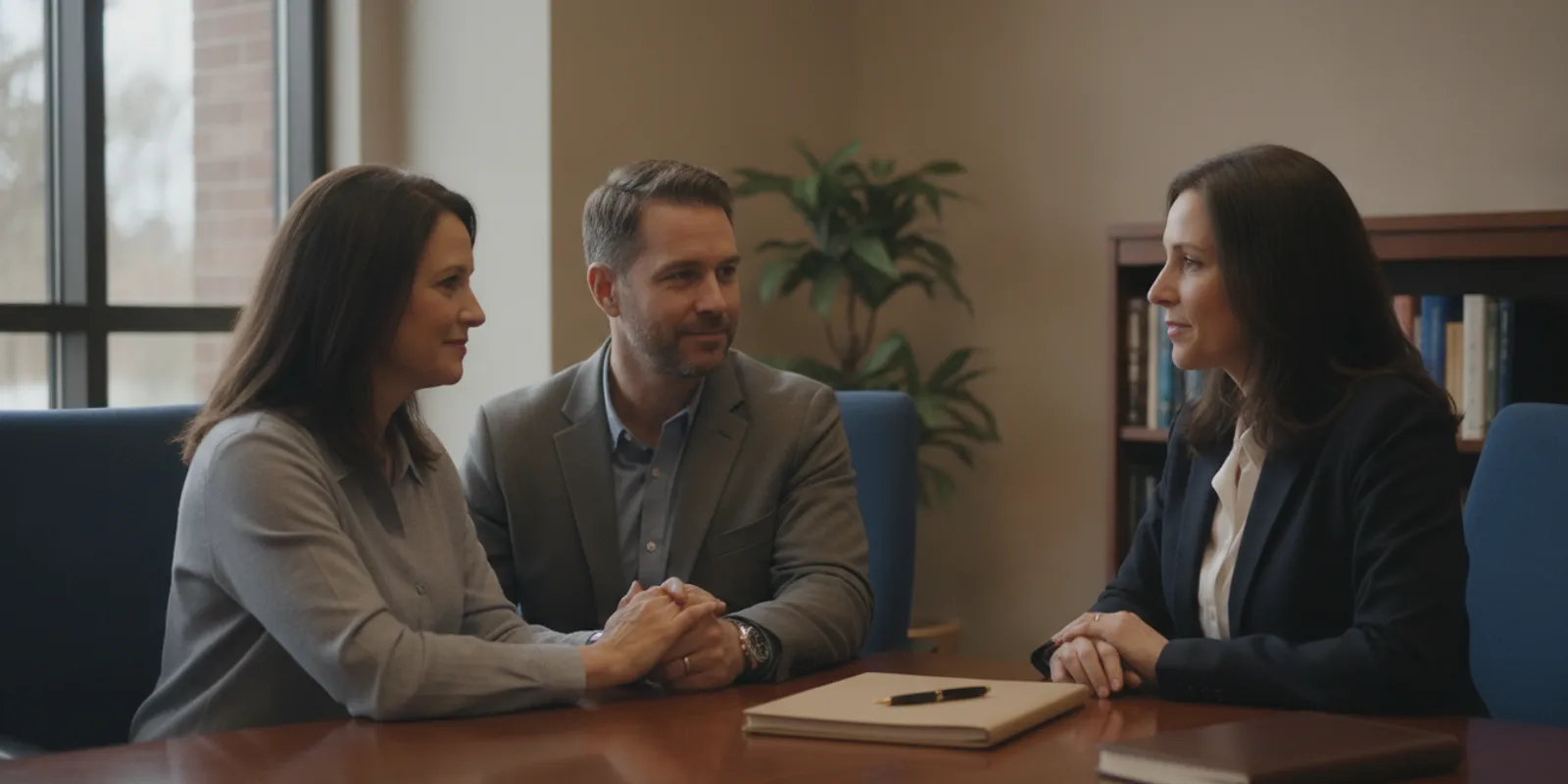
After a sudden loss, another meeting and another difficult conversation may be the last things your family wants to face. If you are preparing for wrongful death mediation Georgia families may attend, it can help to know what the session is designed to do, how to get ready, and which decisions remain yours. Mediation is a guided negotiation, not a trial, and attending does not by itself require a family to accept a proposal.
Mediation is a meeting in which a neutral person, called a mediator, helps the parties discuss a dispute and consider possible resolution. The mediator does not serve as the family’s lawyer, decide who is legally responsible, determine the value of a claim, or order anyone to settle. The mediator’s role is to help the participants communicate, identify disputed points, and explore whether they can agree on terms.
In a wrongful-death matter, the participants may include the person legally authorized to pursue a claim, that person’s attorney, a representative of the opposing party, and an insurance representative. The people involved depend on the case and the arrangements for the session. Sometimes participants begin together; in other sessions, they start in separate rooms. A mediator may move between rooms to discuss concerns and carry proposals.
The process is different from a trial. A judge or jury may decide contested issues in court after the evidence and arguments are presented. A mediator does not issue that kind of decision. The parties keep control over whether they are willing and authorized to resolve a claim. They may reach agreement on some issues, agree on all discussed terms, or leave without an agreement.
For a family, mediation is one possible point in a larger legal process. It may be considered before a lawsuit, while a case is pending, or at another stage when participants believe a facilitated conversation could be useful. A scheduled session does not mean that either side has admitted fault or that a settlement is certain. It means the parties have an opportunity to discuss whether a negotiated path forward is possible.
There is no single reason every case goes to mediation. A family or the other side may believe a neutral facilitator could help move discussions forward. Participants may want to understand the other side’s position, narrow the issues in dispute, or consider the practical risks of continuing a contested matter. A session also may be part of the steps arranged in a pending case. The reason for mediation in one family’s situation may be different from the reason in another.
Disagreement can arise over many things. Participants may view the available evidence differently, dispute how an incident occurred, or disagree about whether a particular person or organization bears legal responsibility. They may have questions about records, witness accounts, insurance coverage, the claims being discussed, or the terms needed to resolve them. More than one party may be involved, and each may have a different position. Mediation can provide a structured place to discuss those differences without suggesting that they are already resolved.
The session can also help clarify what information is missing. For example, one side may want a document explained, while another may be waiting for a record or a clear response about a proposed term. That does not mean mediation will answer every open question. It may, however, help participants identify what needs follow-up and whether they can continue negotiations with a better understanding of the disagreement.
It is important not to read too much into the fact that a mediation date has been chosen. It does not prove that a claim is strong or weak, predict what an insurer may offer, or mean the case is almost over. It is simply a process for discussion. If you are unsure why the session is being proposed, ask your lawyer to explain what purpose it may serve in your particular case and what you should be prepared to decide.
Mediation can happen at different stages, depending on the case and the choices or requirements that apply. Some parties attempt a facilitated discussion before filing a lawsuit. Others consider mediation after exchanging information or after a lawsuit has begun. A court process may involve a mediation requirement, but the details can vary. Ask your lawyer whether your session is voluntary, connected to a court process, or being scheduled for another reason.
The timing can affect what the participants know. An early conversation may take place while some records or questions are still being reviewed. A later session may follow more information exchange, but even then, there may be factual or legal issues that remain contested. There is no universal rule that a particular stage is best for every family. The useful question is whether the people who need to participate have enough information to discuss the claim meaningfully, and whether the session fits the family’s goals and the case’s posture.
A mediation date does not replace attention to legal deadlines. Do not assume that discussions, an insurer’s review, or a planned session changes a deadline that may apply. Timing questions depend on the facts and claims, so raise them promptly with a lawyer instead of relying on a general article or an informal assurance. The firm’s overview of Georgia claim deadlines may be a starting point, but a wrongful-death situation needs its own review.
If the session is scheduled before your family feels ready, ask what can be done to prepare and whether there is a reason the date should be reconsidered. If you feel ready to discuss a proposal, that still does not require you to agree to one. Readiness means understanding the process and having the support you need to participate, not knowing in advance what the other side will say.
The participants depend on the claims being discussed, the stage of the case, and the mediation arrangements. A person with legal authority to act on a claim may attend with counsel. The opposing party or a representative may attend. An insurer may send someone involved in evaluating or negotiating the matter. The mediator participates as a neutral facilitator. Your lawyer can explain who is expected and what role each person may have.
Ask ahead of time whether the person who can make or approve a settlement decision will attend or be available. This may be particularly useful when several parties or insurance companies are involved. If someone at the session needs approval from another person before a proposal can be accepted, your lawyer should be able to tell you how that could affect the discussion. Do not assume that a participant’s title alone tells you whether they can finalize terms.
Family participation can be emotionally complicated. A relative may want to attend because of their relationship with the person who died, while another may feel that attending would be too difficult. The person whose perspective matters most emotionally is not necessarily the same as the person who has formal authority to make a legal decision. Those roles may overlap, but they are not automatically identical. Discuss the family’s wishes with your lawyer before the session rather than trying to settle the question in the middle of negotiations.
Not every relative must necessarily attend. More people in the room can bring support, but can also make it harder to keep a discussion focused or to reach a shared understanding. Consider who can help you listen, ask questions, and take breaks, and ask counsel whether that person should attend. If relatives disagree with one another about the process or the terms, tell your lawyer privately before mediation so the disagreement can be addressed thoughtfully.
Raise language and access needs in advance. Karega Law Firm works with clients in English and Spanish. Tell your lawyer if you would benefit from language assistance, a different meeting format, breaks, or other practical arrangements. If several family members attend, agree on a simple way to pause and ask for clarification. Everyone should understand what is being discussed before anyone is asked to consider a proposal.
Preparation begins with clarity about the meeting, not with trying to predict the outcome. Before the session, ask your lawyer to explain the purpose, format, expected participants, and decisions that could arise. If an explanation uses legal terms that are unfamiliar, ask for plain language. It is reasonable to ask the same question more than once if the answer is still unclear.
Also ask about logistics. Confirm where and when to arrive, how long the session is expected to last, whether it will be in person or remote, and whom to contact if a practical problem comes up. If it is remote, check the connection and find a private place where you can speak without being overheard. If it is in person, ask whether there is a separate room where you can meet privately with your lawyer.
A pre-session discussion is a good time to talk about what you do not want to handle alone. You may not want to describe the incident in detail or respond directly to questions from the other side. You may prefer that your lawyer answer or help frame a response. Tell counsel what feels manageable. The point is not to avoid every difficult topic, but to plan a way to address it without being caught by surprise.
There is no universal document list for wrongful-death mediation. Your lawyer can tell you which records matter in the specific case and whether you need to bring or review them. Organizing information is meant to make the discussion easier, not to turn the family into investigators or require you to create a legal valuation on your own. Keep original materials safe and make a simple list of anything you are still trying to locate.
Keep the information orderly and factual. If a document contains something you do not understand, mark the question rather than guessing what it means. If several versions of a record exist, do not select one as the “right” version without asking counsel. Avoid altering photographs, messages, or files, and do not delete material just because you are unsure whether it matters. Your lawyer can tell you how to preserve and share information appropriately.
It can help to separate what you personally observed from what another person told you. For instance, a family member might remember receiving a call at a certain time, while the details of the incident came from a report or someone else’s account. Both details may be worth discussing, but they should not be presented as if they came from the same source. This distinction can make the conversation clearer and prevent misunderstandings.
Do not feel that you must calculate the value of a claim from a stack of bills or a web search. The claims and losses at issue can involve legal questions that are not answered by adding a few numbers together. The family’s experience is important, but a negotiating position should be discussed with counsel in light of the available facts and applicable law. An online estimate cannot evaluate the evidence or the exact terms of a proposed resolution.
Preparation does not require you to feel calm or ready to talk about every detail. It means deciding what support could help you take part. Some people want to write down questions; others prefer to let their lawyer lead the discussion. You might plan to take notes, ask for pauses, or step away briefly if a conversation becomes too difficult. Talk through those preferences before the session, so you do not have to invent a plan while under pressure.
Consider making a one-page list for yourself, not a speech. It can include the questions you want answered, the terms you need to understand, and the person you want to speak with before responding to an offer. If you become overwhelmed, you can look at the list rather than trying to remember everything. You do not need to prepare a perfect statement or prove how much you cared about the person who died. A negotiation is not a test of grief.
If family members plan to attend together, decide how you will handle different reactions. One person may be ready to discuss an offer while another needs more time to understand it. Agree that anyone can ask to pause for a private conversation with counsel. Avoid treating silence as agreement or interpreting a relative’s distress as a final decision. If you expect disagreement over who should speak or what result to consider, alert your lawyer in advance.
Make a practical plan for the day. Eat beforehand if possible, bring water and any materials your lawyer has requested, and avoid scheduling another demanding obligation immediately afterward. If the session is remote, arrange privacy, charge your device, and test the sound. If a support person is attending, make sure they know their role and understand that the lawyer may need private time with the person making the legal decision.
Finally, set realistic expectations. The other side may disagree with your account or evaluate the evidence differently. A mediator may ask questions that feel challenging. That is part of examining a contested dispute; it is not a measure of the importance of the person who died or the reality of the family’s loss. Ask your lawyer to help distinguish a negotiation question from a personal judgment.
There is no single schedule, but a session often begins with introductions and a short explanation of the mediator’s role and the process. The mediator may invite each side to make an opening statement in a joint room, or the participants may start separately. Some mediations use a mix of joint discussion and private sessions. A remote meeting may use video rooms or calls for that purpose. Your lawyer can tell you what format is expected, while recognizing that the mediator may adjust the flow as the discussion develops.
After an opening discussion, the mediator may meet with each side privately. The mediator listens to concerns, asks questions, and may carry a proposal or response between rooms. You may spend a substantial amount of time waiting while the mediator talks with someone else. That time can feel uncertain, especially when the family is already under strain. Use it to review questions with your lawyer, take a break, or clarify what you understood rather than trying to read meaning into how long another conversation takes.
Offers and responses may move in small steps. The first position may differ considerably from what the other side is prepared to consider later. A pause or a request for more information does not by itself predict whether the parties will agree. The mediator may ask each side to consider strengths, uncertainties, or the practical consequences of continuing the dispute. Those questions are meant to help the participants evaluate choices; they do not mean the mediator has decided who is right.
You may be asked to respond to a proposal, but you can ask for time to speak with your lawyer. If a term is unclear, ask for it to be stated plainly and, where appropriate, put in writing. If you do not know the answer to a question, say that you need to check rather than guessing. If the session becomes tiring, tell your lawyer that you need a break. There is no benefit in giving an answer you do not understand just to move the meeting along.
A mediation can end in different ways. The parties may reach an agreement, resolve part of the dispute, decide to continue negotiations later, or leave without agreement. Sometimes the session makes a disputed issue clearer even when it does not settle the case. Your lawyer can explain what was accomplished and what remains to be done. A day without a signed resolution is not automatically wasted, and a day that ends with an agreement still requires careful attention to the terms.
A joint session is a conversation with participants from more than one side in the same room or on the same call. It can give people a chance to hear how the dispute is described and identify points that may need clarification. It can also be emotionally difficult. You may hear an account of the loss or the events that differs from your own understanding. If you are worried about a joint discussion, ask your lawyer what to expect and whether you can choose not to speak directly.
A private session is a conversation between the mediator and one side, often with that side’s lawyer present. The mediator may ask about the family’s concerns, the evidence, or a proposal. The mediator may then speak with the other participants separately. Private meetings can allow for a more candid discussion of questions and negotiation positions, but do not assume that every statement or document is protected in every circumstance. Confirm the applicable ground rules with your attorney before sharing sensitive information.
Neither format changes the mediator’s role. A mediator can ask difficult questions of either side and may encourage participants to examine assumptions. That does not make the mediator the family’s advocate. Your attorney is the person to consult for advice about your interests and choices. If you feel unsure whether a question is directed to you personally or whether you need to answer, pause and ask your lawyer.
A proposal is an invitation to consider terms, not a command to accept them. Before focusing on a number, ask what the proposal would resolve. Does it address the claims your family expected to discuss? Which parties would be included? Who would release claims, and who would receive or handle payment? Are there other conditions or steps? Your lawyer can explain how the written terms compare with what was discussed and identify any issue that needs further review.
It can be useful to slow the decision into parts. First, make sure you understand what is being offered and what the other side expects in return. Second, identify what facts or legal issues remain uncertain. Third, ask how accepting, rejecting, or making a counterproposal could affect the next steps. Fourth, consider whether any additional information would help. This is not a formula for determining the “right” result. It is a way to make sure the decision is deliberate rather than a reaction to the pressure of a long day.
Ask your lawyer to explain both the possible benefits of resolution and the issues that could remain if the matter continues. No one can promise what a court would decide or what a future negotiation would produce. A careful discussion should include uncertainty instead of hiding it. Your family can weigh that uncertainty against the terms on the table, the time and effort involved in continuing, and what matters most to the people with legal authority.
Family members may have different views about what a proposal means. One person may hear a number as a practical way to bring a dispute to an end, while another may feel that accepting it fails to reflect the loss. Both reactions deserve space for discussion, but the legal decision must follow the authority and process that apply to the case. Do not make a decision just to end an uncomfortable conversation. Ask for a private discussion with counsel if the family needs time to understand the choices.
It is also reasonable to ask for a proposal in writing or to have the wording repeated. If the proposed terms change during discussion, make sure the latest version is clear. If someone says “that is standard,” but you do not understand how it works, ask for an explanation specific to the document before you. Never rely on a verbal summary when the written terms have not been reviewed with your lawyer.
The amount is only one part of an agreement. A written resolution may describe the claims being released, identify the people or entities covered, set out how payment is to be handled, and state what steps must occur before the matter is complete. Other provisions may address timing, paperwork, or responsibilities after signing. The exact language matters because a broad phrase can have a different effect from the family’s informal understanding of the discussion.
Ask your lawyer to explain who would be bound by the agreement and which claims it would resolve. If more than one claim or party is involved, clarify whether the proposal is intended to settle everything or only a defined part. Do not assume that a family member who attended has authority to bind every other person. Legal roles and interests can differ, and the necessary approvals or steps depend on the circumstances.
Before signing anything, read the complete document with counsel. Ask about words you do not recognize, provisions that seem broader than the discussion, and any obligation you would have after signing. If you think a term does not match what was agreed, point that out before the document is finalized. If a question cannot be answered during the session, ask whether the wording can be reviewed or clarified before you make a commitment.
Sometimes an agreement in principle is followed by more paperwork or another required step. Do not assume that a handshake or a statement that the parties are “done” explains every remaining obligation. Ask what has been agreed, what is still subject to documentation or approval, who will prepare or review the next documents, and how updates will be shared. Your lawyer can help distinguish an informal discussion from a completed, enforceable resolution in the circumstances.
People often expect mediation discussions to be private, but the specific rules and protections may depend on applicable law, court procedures, agreements, and the circumstances. Do not assume that every statement, document, or exchange is automatically protected in every setting. Before the session, ask your lawyer what may be shared, what the mediator may communicate to another participant, and what could be used or disclosed later.
Private meetings with a mediator may have ground rules about what can be relayed to the other side. If you want the mediator to hear something but do not want it repeated, ask your attorney how to handle that before sharing it. The same caution applies to written materials. Confirm who will receive a statement, whether it may be kept, and whether it is appropriate to include personal or sensitive details.
As a practical step, avoid posting about offers or negotiations on social media and do not send case information to people who are not part of the legal team unless your lawyer advises you to do so. Do not record the session unless counsel confirms it is allowed and appropriate. If you are unsure whether a conversation or document is private, ask before disclosing it. A simple question in advance can prevent a misunderstanding later.
Mediation can give participants an opportunity to negotiate a resolution. If the necessary people agree to terms and complete any applicable steps, a settlement may resolve the claims described in the agreement. Participants may also reach agreement on only some issues, depending on what is discussed and how the resolution is structured. The written terms should make clear what is resolved and what remains open.
Mediation cannot guarantee agreement, a particular amount, an admission of responsibility, or a faster or easier process. It cannot force a party to accept a proposal, replace needed investigation, or answer every legal question. The mediator does not decide liability or issue a trial-like ruling. If participants do not reach agreement, the next steps depend on the case, including whether a lawsuit has been filed and what issues remain.
It also cannot undo a death or measure the value of a person’s life or the depth of a family’s grief. Mediation is a legal discussion about disputed claims and possible terms. A family may want accountability and answers while also recognizing that no legal process can restore the person who died. It is reasonable to hold both truths at once.
Keeping these limits in mind can make the session less confusing. If an offer is made, it is not a final ruling about the family’s loss. If no offer is made, it does not mean a judge or jury has decided the case. If mediation ends without an agreement, that is not automatically the end of the claim. Ask your attorney to explain the actual procedural position rather than treating the session’s outcome as a verdict.
If the parties agree in principle, the terms should be put into writing and reviewed. In some situations, participants may sign a document during the session. In others, additional drafting or steps may follow. Before signing, confirm that the written terms match what you understood, explain which claims and parties are included, and address any conditions discussed. Ask your lawyer to walk through the document in plain language.
Check the practical details. Who is responsible for preparing the next document? Does anyone need to provide further information or complete a formal step? How will the family receive updates? Is there a deadline or other obligation in the agreement that needs attention? The answers depend on the terms and circumstances, so do not rely on a generic assumption about what happens next.
Ask how the resolution affects any claims or interests not included in the written agreement. If there are other parties, policies, or related matters, do not assume that one settlement addresses all of them unless the document and counsel’s explanation confirm that. The family should understand both what the agreement accomplishes and what it does not cover.
It is also normal to have mixed feelings after agreement. A resolution can bring an end to one legal dispute without making grief disappear. Give yourself time to review what happened and to ask follow-up questions. If you are unclear about the next steps, contact your lawyer rather than relying on a family member’s recollection of a fast-moving conversation.
If no agreement is reached, the matter may continue through further discussions or, if a lawsuit is pending, through the litigation process. The next step could involve additional information exchange, later negotiation, or preparation for a court event, depending on the case. The mediator does not decide the case when the session ends. Your attorney can explain what the impasse means in context and whether any proposals or issues remain open.
Before leaving or soon afterward, write down questions while the discussion is fresh. Keep copies of materials you received and note any follow-up that was mentioned. Do not treat a proposal discussed in the room as final if it was never accepted or put into the agreed form. Do not contact the opposing party or insurer to negotiate on your own without first discussing it with your lawyer.
A follow-up conversation with counsel can help separate what was actually proposed from what family members thought they heard. Ask what the other side’s position appears to be, what is still disputed, whether more information is needed, and what the next practical step may be. If you felt rushed or confused, tell your lawyer. Understanding the process is part of deciding how to proceed.
An unsuccessful session can still clarify the issues or expose a question that needs attention. That does not guarantee that later talks will succeed. It simply means the session may have provided information about the positions and obstacles. Try not to interpret “no agreement today” as a final legal outcome or as a measure of whether your family’s concerns matter.
It is common to feel drained, disappointed, relieved, or unsettled after a difficult meeting. Each person may respond differently. Take time to process the day, and seek support from people you trust. When you are ready, ask counsel to explain the next steps in manageable pieces rather than feeling that you must solve the entire case at once.
Small misunderstandings can make an already difficult process harder. A few deliberate habits can help your family stay informed and keep the discussion focused on decisions you understand.
It can also be a mistake to measure the value of your loved one by the other side’s first response. A negotiation position is not a verdict on who the person was or how deeply they are missed. Keep the legal discussion in its proper place, and ask your lawyer to explain what a particular position does and does not mean.
Consider a hypothetical family whose lawyer has explained that the parties disagree about how an incident happened and what information supports each account. The family enters mediation with a list of questions and the records counsel asked them to review. The other side has a different view of the evidence. The mediator first listens to both positions, then meets with each side separately. This example is only an illustration; every case and mediation is different.
During a private meeting, the mediator asks the family what matters most and what questions remain unanswered. The family’s lawyer explains the legal issues and the risks of treating disputed facts as settled. A proposal is carried to the other room. The family asks to hear the complete terms, not just the amount, and takes time to discuss them with counsel. They learn that the proposal is tied to a written release and that the precise scope needs review.
The family might decide it needs a clarification or more information before responding. Or it might make a counterproposal, decline the offer, or accept after understanding the terms and authority involved. None of these choices is automatically right for every family. The useful lesson is to pause, ask what the proposal resolves, understand what remains uncertain, and consider the options with counsel rather than reacting only to the pressure of the moment.
Suppose instead that the day ends without agreement. The family can ask the lawyer to summarize which issues remain open, whether any statement or offer is still available for discussion, and what happens next. A lack of agreement does not establish that the family’s position has failed. It means the participants did not resolve the matter on the terms discussed that day. The case’s next step depends on its status and the issues left to address.
In either version, practical preparation matters. The family knows who is making decisions, has a way to ask for a pause, and understands that a proposal is not the same thing as a final court decision. That kind of preparation cannot guarantee a particular outcome, but it can help people participate with a clearer sense of what is happening and what questions to ask.
When several relatives are affected by a loss, they may have different information, memories, and expectations. A short conversation before mediation can help prevent avoidable confusion. Each person can say what they hope the session will answer, what they are worried about, and whether they want to attend. The family does not need to reach agreement on every feeling before meeting, but should identify disagreements that could affect the legal discussion.
Choose one person to keep track of questions or documents, if that is helpful. Make clear that note-taking does not give that person authority to make decisions for everyone. If another family member has information relevant to the case, ask counsel how it should be shared. Avoid forwarding incomplete summaries of an offer between relatives while the terms are still being discussed; a brief or secondhand description can leave out important conditions.
During the session, use plain questions such as: “What exactly would this resolve?” “Who would sign?” “What happens if we do not accept today?” and “Can we speak privately before responding?” A direct question is often more useful than trying to infer the answer from tone or timing. If someone misunderstands, ask the mediator or lawyer to restate the point rather than letting the confusion grow.
After the session, make room for different reactions. One relative may be ready to talk through the next steps; another may need quiet. The family can agree on a later time to review what counsel explained. Try not to pressure someone to feel satisfied or to treat disagreement as disloyalty. The legal process is difficult enough without asking family members to have identical emotional responses.
General information can help you learn words and concepts, but it cannot determine what applies to your family’s facts. The State Bar of Georgia provides general information about lawyers and legal services at gabar.org. Use general resources as a starting point, then ask a lawyer about the specific claims, participants, proposed terms, and next steps in your situation.
You may also find it useful to read the firm’s information about wrongful-death representation, its overview of who may file a wrongful-death claim, and its answers to common personal injury questions. These pages are general resources, not a substitute for reviewing your family’s facts or the terms of an agreement.
When you speak with counsel, bring the questions that matter most to you. You do not need to arrive with legal language or a finished position. Explain what you understand, what you do not understand, and what would help you decide whether a proposal is worth considering. A clear conversation can help you make choices with more confidence, even when the outcome remains uncertain.
Every family’s situation is different. The evidence, legal roles, participants, procedural stage, and terms under discussion can all affect how mediation should be approached. A lawyer can review the available information, explain the process, discuss what a proposal may resolve, and help you understand the consequences of possible terms without promising a particular outcome. If your family is unsure who should attend or what questions to ask, those are appropriate issues to raise before the session.
Karega Law Firm LLC is a three-generation, family-run personal injury firm in Marietta. The firm serves injured people and families in Marietta, Mableton, Cobb County, the Atlanta metro area, and throughout Georgia. Clients work with the family attorneys rather than a call center or being treated as a case number. The firm offers free consultations for injury claims and handles cases on a contingency basis, with no upfront fees and payment only if it wins. A consultation concerns the injury claim; it is not tax preparation or tax advice.
If you would like to discuss your family’s situation, you can contact the firm for a free consultation. Bring the questions you have about the mediation process, the claims being discussed, or the documents you have been asked to review. You do not need to know in advance whether you will accept a proposal to ask for guidance.
If your family is facing mediation after a loss, take the time you need to understand the process, ask questions, and make decisions with guidance tailored to your situation.
Learn what families can expect from wrongful death mediation in Georgia, how to prepare, review offers, and what may happen if talks do not resolve the case.

Understand the Georgia workers compensation settlement process, from organizing claim records to reviewing future care, benefits, and written terms.

A personal injury settlement tax Georgia guide: physical-injury pay is often excluded, but punitive damages and interest can still be taxed.